

The Secret to a Perfect Peel: Why Patience Pays Off with DTF

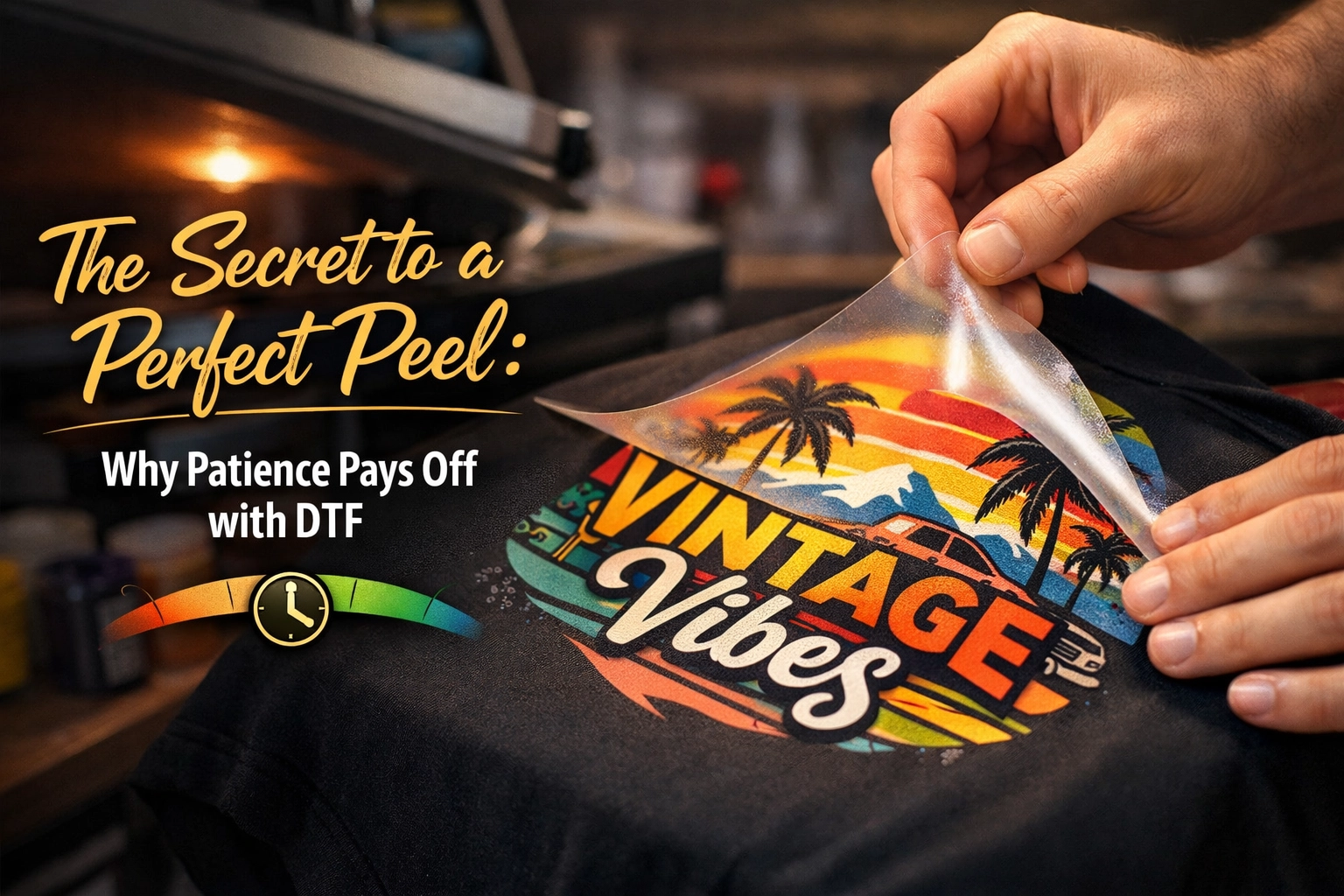
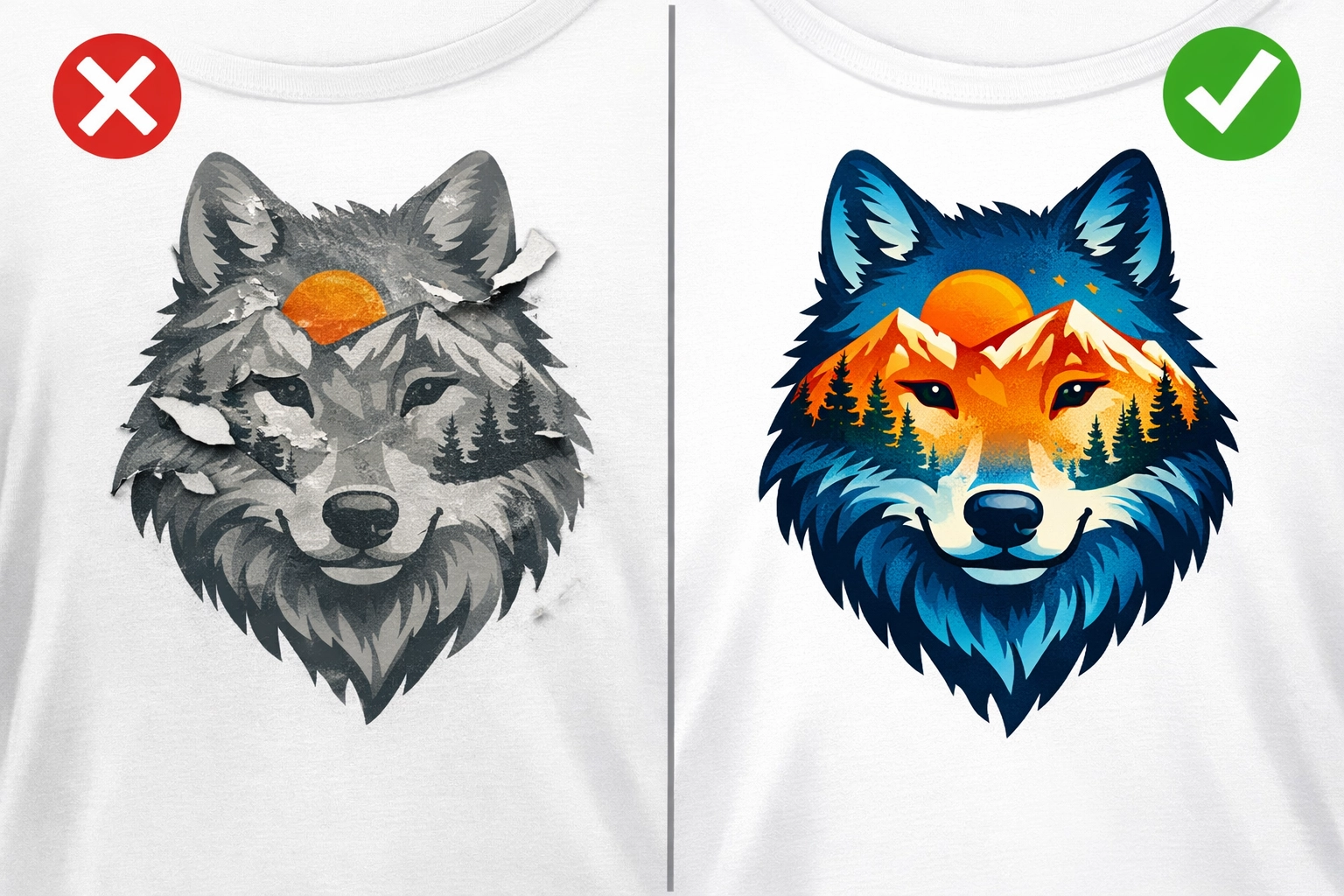
We've all been there. You just pressed a beautiful DTF transfer onto a shirt, and you're so excited to see the final result that you immediately reach for the carrier sheet. Then... disaster. The design tears, wrinkles, or doesn't fully transfer.
Sound familiar?
Here's the thing: the difference between a perfect transfer and a ruined one often comes down to just 15-30 seconds of patience. Let's talk about why cold peeling is your secret weapon for flawless DTF transfers.
What Exactly Is Cold Peel?
Cold peel is a technique where you wait for your DTF transfer to cool down before removing the carrier film. Simple, right?
Unlike hot peel (where you remove the film within 5 seconds while everything's still hot), cold peel requires you to resist temptation. You press your transfer, remove it from the heat press, and then wait for it to cool to below 55°C: which typically takes about 15-30 seconds.
Think of it like baking cookies. Sure, they smell amazing right out of the oven, but if you try to move them too soon, they'll fall apart. Same principle here!
The Science Behind the Wait
Here's what's actually happening during those crucial cooling seconds:
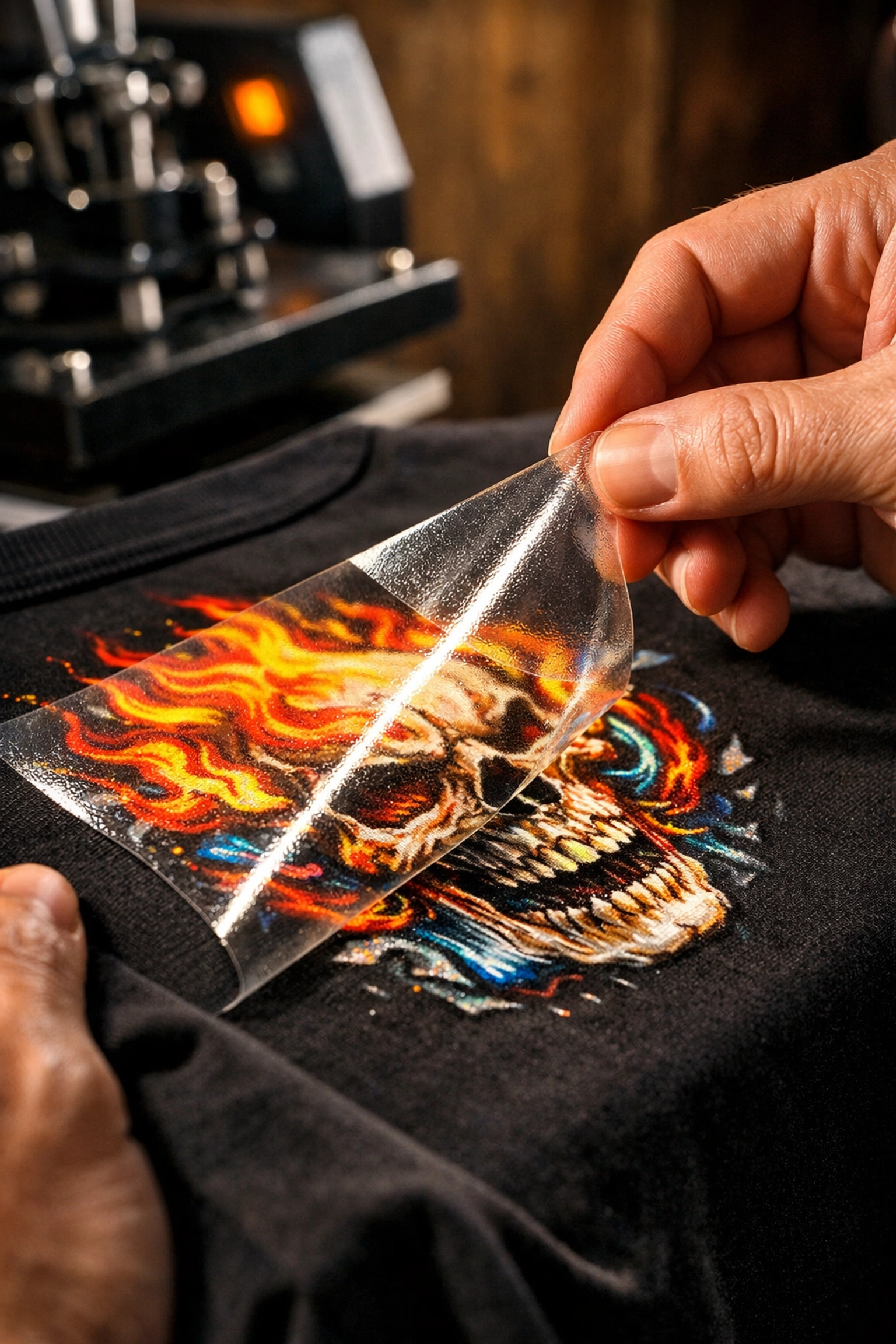
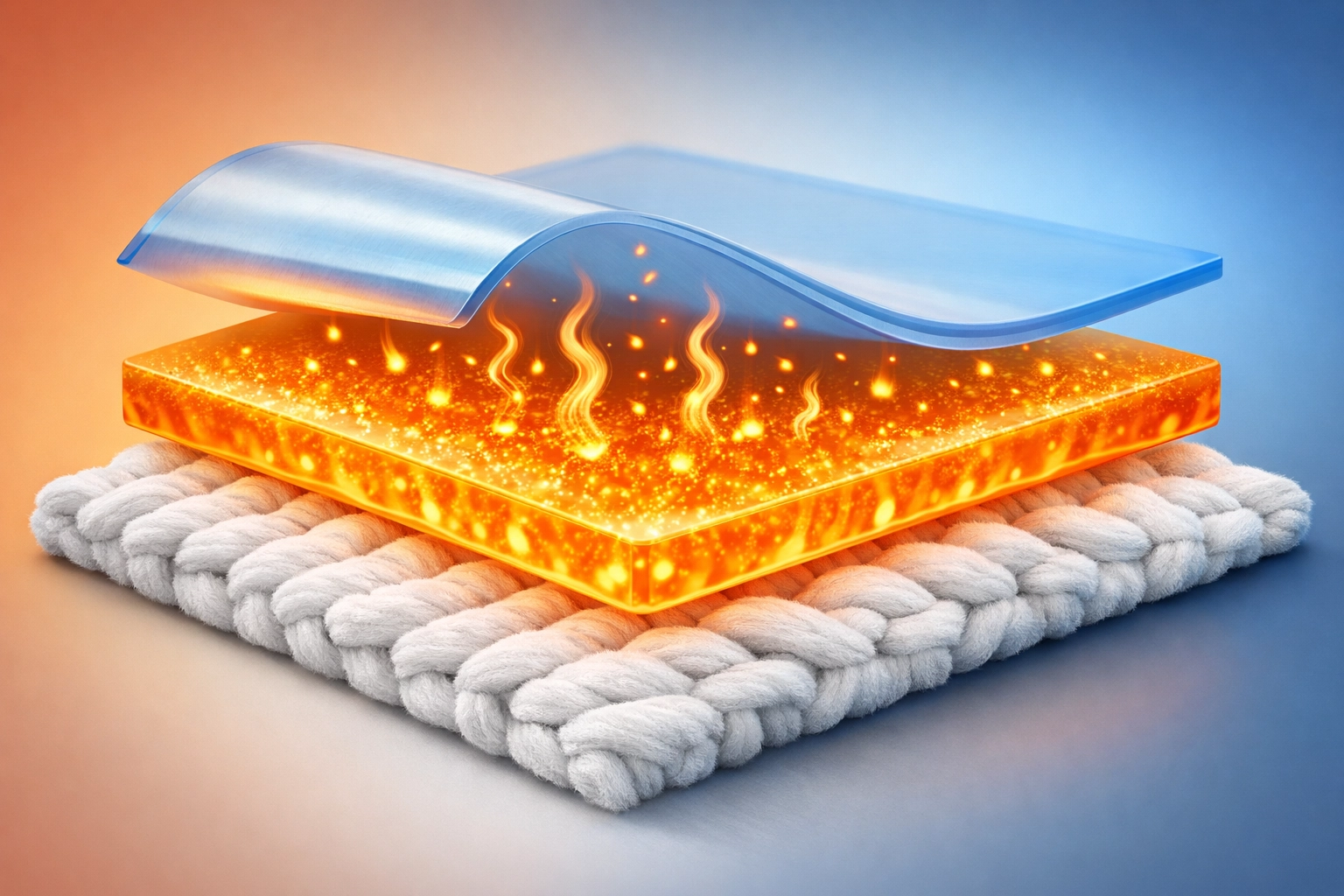
The adhesive is still bonding. When you first press your DTF transfer, the heat activates the adhesive and makes it flow into the fabric fibers. But the magic doesn't stop when you lift the heat press. During the cooling phase, that adhesive is setting and creating a permanent bond with your garment.
The film needs to release properly. As the transfer cools, the carrier film naturally begins to separate from the design. If you peel too early, you're fighting against the film's natural adhesion, which can pull parts of your design right off.
The fabric is stabilizing. Different fabrics react to heat differently. Cotton, polyester, blends: they all need a moment to return to their normal state. Rushing this process can cause wrinkles, especially on trickier materials like coated fabrics or textured materials.
Why 15-30 Seconds Makes All the Difference
Let's break down what happens during those precious seconds:
✅ 0-10 seconds: The adhesive is still super hot and in a semi-liquid state. Peeling now is basically asking for trouble.
✅ 10-20 seconds: The adhesive starts to solidify, but it's still setting. Your design is vulnerable.
✅ 20-30 seconds: Sweet spot! The adhesive has cooled and bonded properly, and the carrier film is ready to release cleanly.
This waiting period isn't wasted time: it's insurance for your investment. Each transfer costs money, and every ruined shirt represents lost profit. Those 30 seconds could save you from having to redo an entire order.
Our 10-Second Press Time Advantage
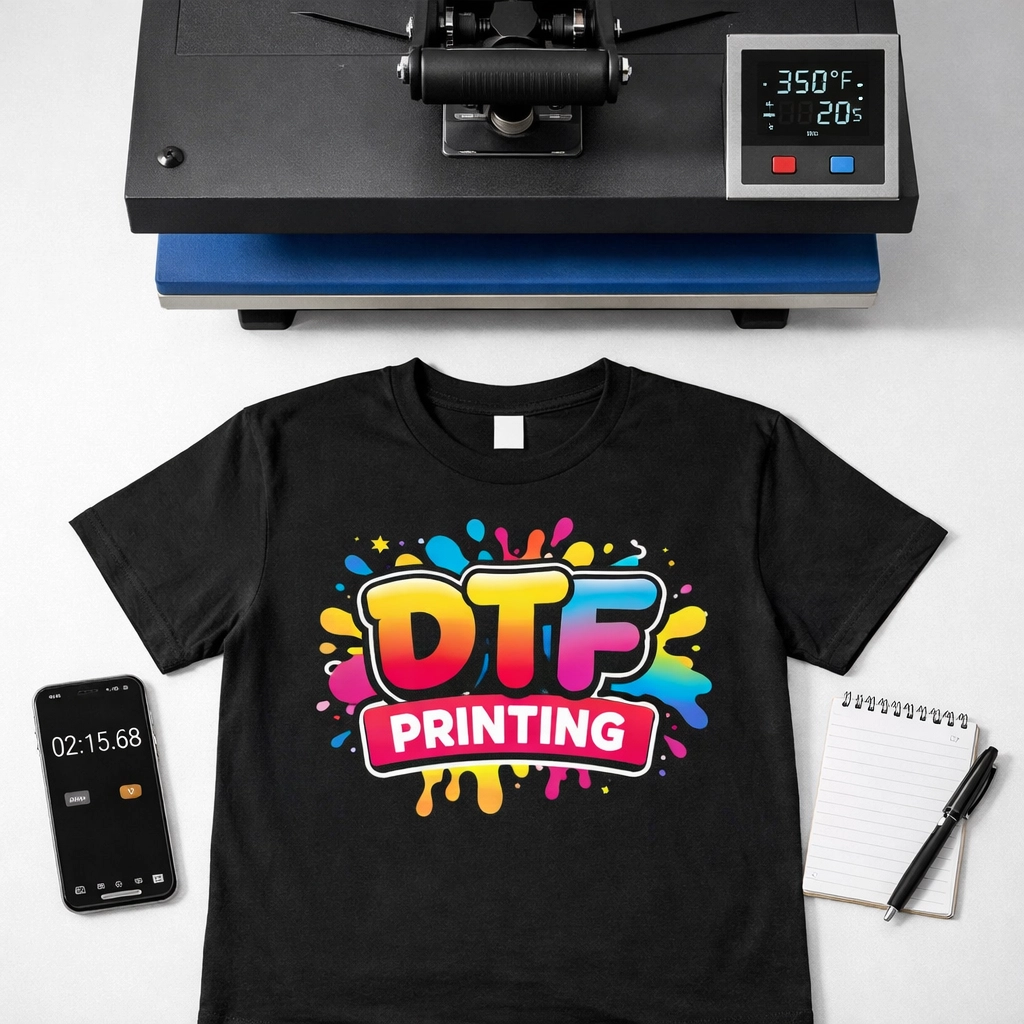
Now, here's where things get interesting. At Signsinsymbols, our DTF transfers only require a 10-second press time.
You read that right: just 10 seconds.
This is one of our unique selling points, and it's a game-changer for small business owners who are pressing multiple items. Think about the math: if you're pressing 50 shirts and you save even 5 seconds per press, that's over 4 minutes saved. Multiply that across your weekly or monthly production, and you're looking at serious time savings.
But here's the kicker: even though our press time is lightning-fast, you still need to respect the cool peel process. The quick press time gets the adhesive activated efficiently, but the cooling period is still essential for proper bonding.
The Perfect Process:
Press for 10 seconds at the recommended temperature
Remove from heat press
Set on a flat, cool surface
Wait 15-30 seconds (resist the urge!)
Peel the carrier film slowly and steadily
Admire your perfect transfer!
Common Mistakes (And How to Avoid Them)
Let's talk about what NOT to do:
Mistake #1: The Impatient Peel We get it: you're excited or you're in a rush. But peeling too early is the #1 cause of transfer failure. Set a timer if you have to. Those 30 seconds are non-negotiable.
Mistake #2: Inconsistent Cooling If you press a shirt and then drape it over something, or crumple it up, or don't lay it flat, you're creating uneven cooling. This leads to uneven adhesion. Always place your pressed garment on a flat surface to cool.
Mistake #3: Assuming All Transfers Are the Same If you're unsure whether your DTF film is hot or cold peel, always default to cold peel. It's more forgiving and reduces your risk of damage. Better safe than sorry!
Mistake #4: Rushing the Peel Itself Even after waiting, don't yank the carrier film off like you're ripping off a band-aid. Peel slowly and steadily at a consistent angle. Smooth and controlled wins the race.
The Benefits of Getting It Right
When you master the cold peel technique, here's what you gain:
Lower Failure Rate: Less waste means more profit. Every successful transfer is money in your pocket.
Consistent Quality: Your customers will notice the difference. Clean, crisp transfers with no wrinkles or missing spots? That's the kind of quality that builds your reputation.
Beginner-Friendly: Cold peel is more forgiving than hot peel. There's less risk of burning yourself, and you have a bit more margin for error.
Durability: Properly bonded transfers last longer. They withstand washing, wearing, and regular use better than rushed transfers. This means fewer complaints and returns.
Versatility: Cold peel works great on a wider variety of fabrics, including those tricky materials that might wrinkle or distort with hot peel methods.
Our 6-Month Warranty: Built on Proper Application
Here's something important: we stand behind our DTF transfers with a 6-month warranty. But here's the fine print that actually matters: this warranty is contingent on proper application.
What does that mean? It means following the cold peel process correctly.
We're confident in our product quality, but we can't guarantee results if you're not following best practices. The 6-month warranty covers defects in the transfer itself: not damage caused by improper application technique.
When you take the time to do it right (including that crucial 15-30 second wait), you're protecting your investment and ensuring that your transfers will hold up for the long haul. Our warranty is our promise to you, but your patience during the peel process is your promise to your customers.
Quick Tips for Success
Let's wrap this up with some actionable tips you can implement today:
🕐 Set a timer. Seriously. Use your phone, use a kitchen timer, whatever works. Remove the guesswork.
📏 Create a cooling station. Designate a flat, stable surface near your heat press specifically for cooling transfers.
📝 Document your process. Write down your press time, temperature, and cooling time. Consistency is key to replicable results.
🧪 Test new fabrics. When working with a new type of garment, do a test press first. Some fabrics might need slightly different cooling times.
👀 Inspect before peeling. Before you start the peel, look for any areas that seem to be lifting or not fully adhered. These might need a quick re-press.
🚫 Don't stack freshly pressed items. Let each piece cool individually before stacking or packing.
The Bottom Line
In the world of DTF transfers, patience truly pays off. Those 15-30 seconds of cooling time might seem like an eternity when you're in production mode, but they're the difference between professional results and amateur mistakes.
Our 10-second press time gets you in and out of the heat press quickly, but the cold peel process ensures that quick press translates into lasting quality. It's the perfect combination of efficiency and excellence.
Remember: you're not just pressing transfers: you're building a business. Every perfect peel is another satisfied customer, another positive review, another reason for repeat business. And our 6-month warranty? That's our confidence in both our product and your commitment to doing it right.
So take a deep breath, press that timer, and let those transfers cool. Your business (and your customers) will thank you for it.
Ready to experience the difference that quality DTF transfers can make? Check out our selection at Signsinsymbols and see why patience: and the right supplier( always pays off!)
Comments