

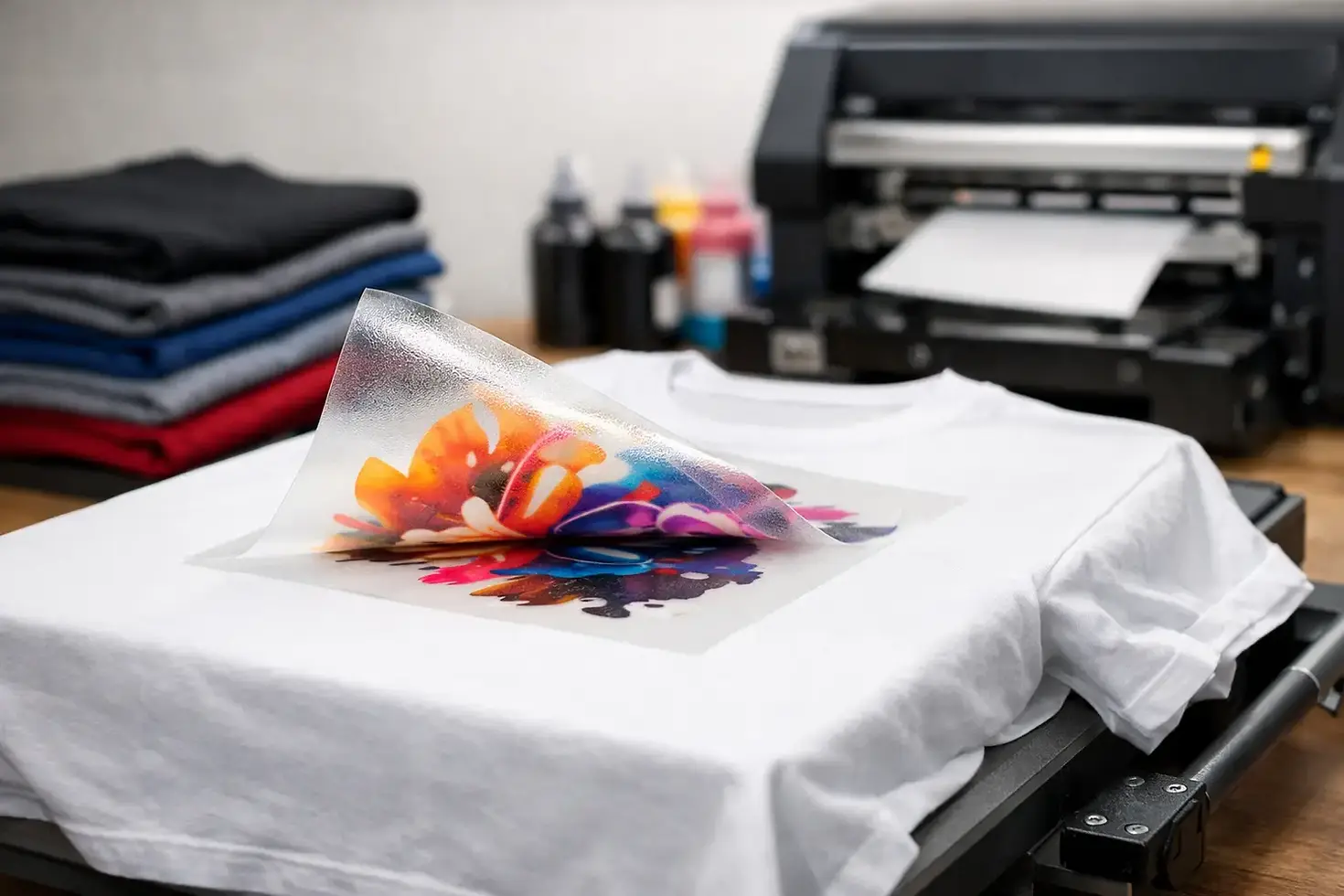
Best Shirts for DTF: What Actually Works

A great DTF transfer can still look cheap on the wrong blank. That is why picking the best shirts for DTF matters just as much as your artwork, press settings, and turnaround time. If you sell tees, run events, or press for clients, the shirt is not a small detail - it is the foundation of the final product.
DTF is flexible, fast, and built for real-world production. It works on cotton, polyester, and blends, which is a huge advantage over print methods that get picky about fabric. But that does not mean every shirt performs the same. Some blanks press smoother, hold shape better, and make your colors pop. Others feel thin, shift under heat, or leave you with a finished piece that looks fine for one wash and tired by week two.
What makes the best shirts for DTF?
The short answer is this: smooth surface, stable fabric, good construction, and a fit your customer will actually wear.
DTF adheres to a wide range of materials, but smoother shirt faces usually give you the cleanest result. Ringspun cotton tends to look better than rougher open-end cotton because the print sits more evenly. Blends can be excellent too, especially when you want a softer retail feel. Polyester is a strong option for performance wear, team gear, and branded apparel that needs moisture management.
Weight matters more than people think. Very lightweight shirts can feel great on the rack, but under a heat press they may stretch, shift, or show more texture through the print area. Heavier shirts usually give you a more stable pressing surface and a more premium hand. That said, heavyweight is not automatically better if your buyer wants soft, casual, everyday tees. The right answer depends on who you are selling to and how the shirt will be used.
Construction is the other big factor. Side-seamed shirts usually fit better and hold their shape better. Tight collars, cleaner stitching, and consistent sizing make your finished apparel look more legit, especially if you are selling to customers instead of printing giveaway tees.
Best shirt fabrics for DTF printing
100% cotton
Cotton is still the safest all-around pick for most DTF jobs. It is easy to sell, easy to wear, and works across streetwear, school apparel, event merch, nonprofit fundraisers, and small business branding. If you want broad appeal, start here.
A ringspun cotton tee is often the sweet spot. It feels softer than basic cotton and gives your transfer a cleaner finish. If your designs have fine details, small text, or bold color blocks, a smoother cotton face helps those features show up better.
The trade-off is shrinkage and variability. Not every cotton blank behaves the same after pressing or washing. Lower-grade cotton shirts can twist, tighten up, or lose shape faster, which makes your print look worse even if the transfer itself holds strong.
Cotton-poly blends
Blends are one of the smartest choices if you want comfort and consistency without pushing your costs too high. A 60/40 or 50/50 blend often feels softer than standard cotton and gives you that retail-style fit customers tend to reorder.
For DTF, blends are strong performers. They press well, wear well, and usually drape better than stiff bargain blanks. If you sell boutique-style tees, brand merch, or apparel for creators and side hustlers, blends are a very safe bet.
The only catch is expectation. If your customer specifically wants a classic all-cotton feel, a blend may not be what they have in mind. But for everyday sales, blends are hard to beat.
100% polyester
Polyester is a workhorse for athletics, outdoor events, workwear, and performance-driven apparel. DTF makes poly much easier to print than methods that struggle with synthetic fabrics, which is a big win if you serve teams, gyms, contractors, or school programs.
The upside is durability and moisture-wicking comfort. The caution is heat sensitivity. Polyester can scorch or show press marks if you are careless. That means your pressing process needs to stay dialed in, especially on darker or more delicate performance garments.
If you do a lot of sportswear or branded uniforms, polyester should absolutely be in your lineup. Just do not treat it like cotton at the press.
Shirt weight matters more than most buyers realize
If you want the best shirts for DTF and you care about resale, shirt weight deserves real attention.
Lightweight tees, usually in the 3.5 to 4.3 oz range, are soft and easy to wear in hot weather. They work well for fashion-forward brands, summer events, and customers who want that broken-in feel. But very light shirts can show more fabric texture under the transfer, especially on large chest prints.
Midweight tees, usually around 4.5 to 5.5 oz, are the best all-around category for most businesses. They balance comfort, durability, and press stability. If you need one lane that works for schools, local brands, family reunions, church groups, and small business merch, midweight is where you start.
Heavyweight tees, usually 6 oz and up, are ideal when you want a premium look, streetwear feel, or higher perceived value. They give you a flatter surface and stronger structure. They also cost more, feel warmer, and may not fit every audience. Great for fashion brands. Not always the move for large summer events on a tight budget.
Fit, finish, and why cheap blanks can cost you more
A low shirt price looks good until the return requests start. If the collar waves after one wash, the body shrinks, or the fit feels boxy in a bad way, the customer blames the whole shirt - not just the blank manufacturer.
That is why fit and finish matter. Retail-fit shirts usually win for merch sales because they feel current. Standard unisex fits are better when you need broad sizing coverage and dependable pricing. Tubular tees can be fine for budget jobs, but side-seamed options usually look cleaner and wear better.
If you are printing for resale, think beyond the transfer. Ask whether the blank supports your selling price. A shirt that saves you 80 cents upfront can kill your margins if it lowers repeat orders.
Best shirt types for common DTF jobs
For small business merch, a midweight ringspun cotton or cotton-poly blend usually hits the mark. It feels good, presses clean, and gives customers something they will actually keep wearing.
For event shirts, budget still matters, but going too cheap can backfire fast. A dependable basic cotton tee is often enough, as long as the surface is smooth enough for a solid press and the sizing stays consistent across the order.
For schools, sports, and activewear, polyester and performance blends make sense. They hold up under movement and repeat washing, and DTF gives you strong graphics without limiting you to cotton.
For premium brand drops or streetwear, go heavier. A structured heavyweight tee with a smoother face gives your print presence. That combination helps justify a higher selling price and gives the finished piece a more serious feel.
For nonprofits and community groups, the best move is often a midpriced blank that balances comfort and budget. You do not need the cheapest shirt on the market. You need a shirt people will wear after the event ends.
How to choose the right shirt before you order in bulk
Do not choose based on price alone. Test the blank like a business owner, not just a buyer.
Start with the end use. Is this shirt for resale, uniforms, giveaways, or a one-time event? Then look at fabric, weight, and fit through that lens. A premium launch shirt and a volunteer cleanup shirt do not need the same blank.
Next, sample it. Press the design, wash it, and wear it. See how the print looks after a real laundry cycle. Check whether the shirt shrinks, whether the collar stays put, and whether the transfer still sits clean on the fabric.
Also think about color range. Some shirt lines look great in black and white but get inconsistent in fashion shades. If your brand or client needs multiple colors, consistency across the full line matters.
If you are doing volume, keep availability in mind. The perfect shirt is not so perfect if it goes out of stock every other week. Reliability matters when you are trying to turn orders fast and keep customers happy.
The real answer to the best shirts for DTF
There is no single best blank for every order. There is a best blank for your price point, your customer, and your production style.
If you want the safest all-around answer, start with a quality midweight ringspun cotton tee or a soft cotton-poly blend. Those two categories cover a huge range of DTF work and give you the best balance of press quality, wearability, and resale value. If your lane is sports or performance gear, move into polyester with the right heat discipline. If your lane is premium fashion, step up to heavyweight blanks that match the look you are selling.
At Signsinsymbols, that same logic applies to every order: make the blank match the job, not the other way around. The shirt should help your transfer look better, sell easier, and last longer.
Pick shirts that make your work look worth the money. Your customers can tell the difference.
Comments